
Have you heard about the magic hour?
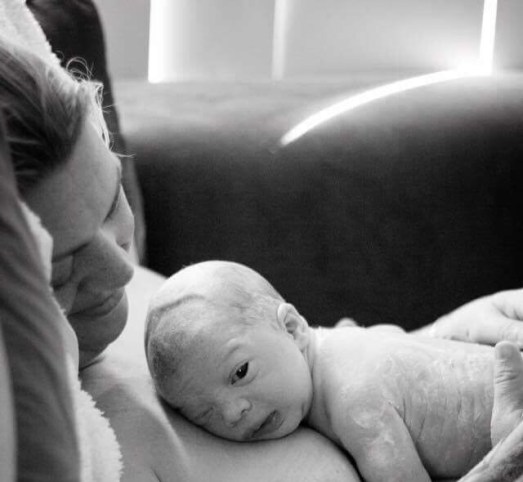
As a midwife and mother I have witness and experienced the almost magical and mystical power of skin to skin contact in the first hour of birth. There is substantial evidence to suggest that the impact of this imprinting time is vital for bonding between mother/infant, establishing breastfeeding and the establishment of life in the extra uterine environment. A number of things instinctively happen when a mother is left undisturbed with her infant in the first hour after birth. Sometimes the amount of oxytocin in the room following a birth is almost palpable.
When a mother and baby are left undisturbed to connect and commence breastfeeding infants are more likely to successfully breastfeed then those who are separated at birth. The ability for baby to achieve an optimal latch and minimise painful latching is also intensified when babies go through this stage within an hour of birth.
The breast crawl is something that I am always amazed to see. Infants usually exhibit the following stages following birth …
Rest and relax
This is where the baby who has just been through the birthing journey will often just rest and be peaceful. Some babies will even go to sleep during this time.

Awakening the senses
During this time the baby will appear alert and may suck his/her fists and lips the baby may start salivating and then will start making their way down to the breast
Crawling to the source
Babies will use all sorts of mechanisms to get to the breast unassisted. Some babies will bob their heads, others will do a little cheek walk and others will throw themselves down towards the breast.

The first latch
Once the baby is in the vicinity of the nipple – most babies will start to attempt to latch. They will often grab at the breast with their hands/lick or nuzzle the areola and eventually will latch on with very little assistance from mum.

The importance of this magic hour
- Allows the infant to regulate their body temperature, heart rate, breathing and stabilise blood sugar levels
- Encourages hormone boost in mother to help stop bleeding and start the lactation process
- Assists the mothering/bonding hormone between mother and infant (certain hormones are released during this time to assist with bonding)
- Encourages first latch, imprinting latching technique that can assist with establishing breastfeeding
- Allows baby to receive all of their cord blood
When families are pregnant there is often significant emphasis on the labour/birth process and not a lot of thought goes into what happens in the moment and days following the birth. It is really important to be aware and understand the physiological normal principles that can follow the birth of your baby and ensure that they have the best opportunity to follow these principles. Immediate skin to skin and allowing baby to do the breast crawl can also be facilitated in most births – both planned/unplanned cesarean births, instrumental births and even premature births.
Speak with your care provider and have uninterupted skin to skin and allowing baby to do the breast crawl added to your list of birth preferences. Even after the first hour – keeping baby skin to skin for the following days is also a great way to establish breastfeeding.
Tamika x
 Midwife Tamika